


-

Add: HeBei ShengShi HongBang Cellulose Technology CO.,LTD.
-

Email
13180486930@163.com -

CONTACT US
+86 13180486930




The detergent industry is experiencing a subtle yet significant revolution, and at the forefront of this transformation is Hydroxypropyl Methylcellulose, commonly known as HPMC. As a seasoned expert in the field of SEO, I've closely observed how incorporating HPMC can not only enhance the quality of detergents but also position a brand as a leader in innovation and environmental friendliness. The addition of HPMC in detergents brings a unique set of benefits that appeal to both manufacturers and consumers. For manufacturers, it offers an innovative solution that improves the viscosity and stability of detergents. HPMC serves as an excellent thickening agent, providing a consistent texture that consumers have come to expect from premium detergent brands . This consistency is crucial in maintaining the effectiveness of the detergent, ensuring that every drop delivers maximum cleaning power. Moreover, HPMC is derived from cellulose, making it a naturally occurring substance that aligns with the growing consumer demand for eco-friendly products. As an expert in sustainability, I recognize the importance of adopting green chemistry in manufacturing processes. HPMC in detergents reduces the reliance on synthetic chemicals, offering an environmentally benign alternative without compromising on quality. This not only enhances a brand's reputation for environmental responsibility but can also open doors to new markets eager for sustainable household products. From an expertise perspective, the role of HPMC extends beyond just physical attributes. It also improves the shelf life of detergents by stabilizing the formulation, preventing ingredients from separating over time. This results in less waste and more satisfied consumers, as the product maintains its integrity from purchase to last use. The stabilizing property of HPMC ensures that active ingredients remain effective throughout the product's life, a critical aspect that sets high-quality detergents apart from their less stable counterparts. hpmc for detergent In terms of authoritativeness, extensive research supports the efficacy of HPMC in detergent formulations. Numerous studies have demonstrated its superiority as a thickening and stabilizing agent, often outperforming traditional counterparts. This research-backed validity enhances credibility and supports claims made by brands utilizing HPMC, fostering consumer trust. For products seeking regulatory approval or certifications, the proven track record of HPMC in detergents stands as a testament to its safety and effectiveness. Trustworthiness is the cornerstone of any brand's relationship with its customers. By leveraging HPMC, manufacturers can transparently showcase their commitment to quality and sustainability. HPMC is hypoallergenic and safe for human contact, making it particularly appealing for families with skin sensitivities. The endorsement of dermatological experts and eco-certification bodies can further reinforce the trust consumers place in detergents containing HPMC. Ultimately, for brands focusing on SEO, it's crucial to highlight these multifaceted benefits of HPMC in detergent-related content. Emphasizing its role in enhancing viscosity, environmental sustainability, product stability, and consumer health can significantly improve online visibility and engagement. Crafting content around real-world applications and consumer reviews can provide genuine insights and drive home the advantages of HPMC in modern detergents, securing a pivotal role in a brand's digital narrative. Incorporating HPMC into detergent formulations presents a dual opportunity advancing product quality while meeting the rising demand for eco-conscious and effective cleaning solutions. As the industry continues to evolve, HPMC remains at the forefront, not just as an additive, but as a catalyst for a cleaner, greener future.
- 40000tons

Production
- 20+years

Experience
- 5000+㎡

Acreage

-
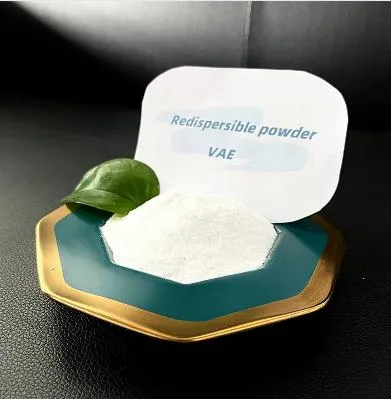
Methocel HPMC, scientifically known as Hydroxypropyl Methylcellulose, is a versatile ingredient renowned for its multifaceted applications across industries. Recognized for its unique binding and thickening properties, Methocel HPMC serves as a pivotal component in both food products and pharmaceutical formulations. As a product expert with years of experience in the field, I can attest to the transformative impact Methocel HPMC has had on product development. Within the pharmaceuticals industry, Methocel HPMC is celebrated for its role in creating controlled-release formulations. This polymer acts as an integral matrix former, helping to deliver active ingredients consistently over a designated period. Such consistency ensures that patients receive the correct dosage without the fluctuations common in immediate-release formulations. My collaborations with pharmaceutical developers have revealed that Methocel HPMC not only enhances the efficacy of active compounds but also improves patient compliance by reducing dosing frequency, which is a vital consideration in chronic disease management. Transitioning to the food industry, Methocel HPMC is prized for its emulsifying and stabilizing capabilities. It plays a crucial role in products like sauces and dressings, where maintaining an even texture is paramount. During my work with food technologists, I've observed that Methocel HPMC’s ability to retain moisture and improve shelf stability addresses common industry challenges such as phase separation. This improved product integrity translates to enhanced consumer satisfaction as products maintain their intended taste and consistency. From an expert lens, the safety profile of Methocel HPMC strengthens its authority in various markets. Extensively vetted by regulatory agencies, including the FDA and EFSA, this ingredient meets rigorous safety standards, reassuring manufacturers and consumers alike. In my consultations with regulatory compliance teams, the consistent safety approvals for Methocel HPMC have often facilitated smoother product registrations across global markets, providing a competitive edge to businesses looking to expand internationally. methocel hpmc Trust in Methocel HPMC is further bolstered by its sustainable sourcing and production processes . Derived from cellulose, a naturally occurring polymer, Methocel HPMC aligns with current sustainability trends in consumer goods production. Leading companies are increasingly prioritizing eco-friendly ingredients, and Methocel HPMC’s biodegradable nature fits seamlessly into these initiatives. I have seen first-hand how brands that leverage Methocel HPMC can authentically strengthen their sustainability narratives, thereby enhancing their market positioning. As a testament to its enduring reliability, research and development continue to explore new applications for Methocel HPMC. Innovations such as its use in plant-based food products, owing to its non-animal origin, open doors to burgeoning markets. My interactions with R&D teams have illuminated Methocel HPMC’s potential to revolutionize not just existing products but also to create entirely new market segments driven by consumer demand for plant-based alternatives. In conclusion, Methocel HPMC’s combination of efficacy, safety, and sustainability makes it an indispensable tool for innovators in the pharmaceutical and food industries. Its ability to balance product performance with market needs underscores its continual relevance. For businesses striving to meet modern consumer expectations while maintaining a competitive advantage, incorporating Methocel HPMC could prove to be a strategic masterstroke.
-
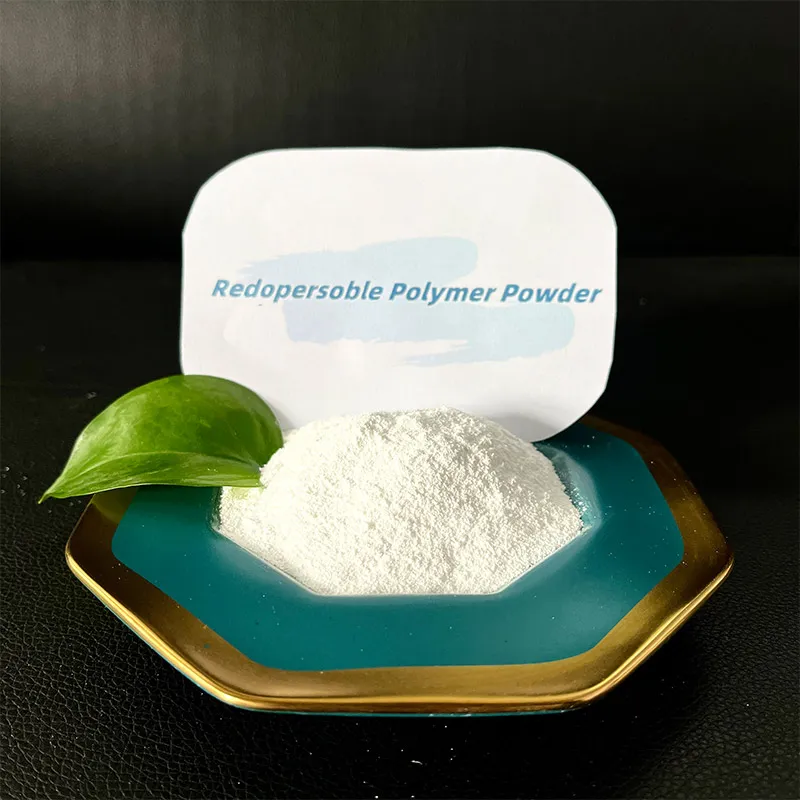
As industries evolve, innovative materials like chlorinated rubber powder are revolutionizing manufacturing processes and product development. From coatings to gloves, this versatile material ensures durability, flexibility, and enhanced performance across applications. Understanding how rubber powder price and related technologies impact your business is key to staying ahead. The Role of Rubber Powder Price in Industry Growth The rubber powder price plays a crucial role in determining the accessibility and profitability of various industrial applications. As a cost-effective material, chlorinated rubber powder is widely used in manufacturing paints, coatings, and adhesives. Its resistance to water, chemicals, and abrasion ensures long-lasting performance, making it a staple for industries like construction, automotive, and marine. Monitoring fluctuations in the rubber powder price is essential for manufacturers aiming to maintain competitive pricing while ensuring product quality. Bulk purchases and advances in production techniques have made this material more affordable, enabling small and large-scale businesses to benefit from its remarkable properties. Chlorinated Rubber Powder: A Game-Changer in Coatings One of the standout applications of chlorinated rubber powder is in the development of high-performance coatings. Its exceptional resistance to chemicals and harsh environments makes it a preferred choice for industrial and marine coatings. These coatings protect structures from corrosion, extending their lifespan and reducing maintenance costs. In addition to durability, chlorinated rubber powder enhances the adhesion of coatings to various surfaces, including metals and concrete. This versatility allows industries to tackle challenges posed by extreme weather conditions or heavy industrial use. With its cost-to-performance ratio closely linked to the rubber powder price , businesses can achieve premium finishes without exceeding budget constraints. Rubber Accelerator Free Gloves: Ensuring Safety and Comfort The demand for rubber accelerator free gloves is growing, driven by the need for hypoallergenic and environmentally friendly alternatives. These gloves, free from chemical accelerators, are safer for individuals with sensitive skin or allergies, making them ideal for healthcare, food handling, and industrial use. Chlorinated rubber powder contributes to the production of these innovative gloves by enhancing their flexibility and durability. Unlike traditional gloves, which may degrade quickly or cause discomfort, those made with rubber accelerator free gloves technology provide exceptional protection and comfort. This breakthrough not only supports worker safety but also aligns with global efforts toward sustainable manufacturing practices. Balancing Quality and Cost with Rubber Powder Price For manufacturers, balancing quality and cost is a constant challenge. By leveraging the benefits of chlorinated rubber powder , businesses can optimize product performance while maintaining competitive pricing. The rubber powder price is influenced by factors like raw material availability, production efficiency, and market demand. To remain competitive, many industries are adopting advanced technologies that improve the cost-efficiency of chlorinated rubber powder production. Innovations in recycling and sustainable sourcing have also contributed to stabilizing the rubber powder price , making it accessible for a broader range of applications. Elevate Your Products with Chlorinated Rubber Powder Whether you’re in the coatings, automotive, or safety equipment industry, chlorinated rubber powder offers unparalleled advantages. Its resistance to harsh conditions, compatibility with various materials, and cost-effectiveness tied to the rubber powder price make it an indispensable material for innovation. Additionally, the rise of rubber accelerator free gloves showcases how this material is driving progress in safety and environmental responsibility. By incorporating chlorinated rubber powder into your processes, you can enhance product quality, meet customer expectations, and contribute to a more sustainable future.
advantages
-

200000 Viscosities
Excellent product
We can produce pure products up to 200,000 viscosities
-

40000 tons
High yield
We don’t stop production all year round, and the annual output can reach 40,000 tons
-

24 hours
Quality service
We provide 24-hours online reception service, welcome to consult at any time
———— Inquiry Form
Schedule A services

-
 redispersible_powder
Oct . 25, 2025
Cellulose ether HPMC (Hydroxypropyl Methylcellulose) has emerged as a significant player in the real -
 hpmc_e50
Oct . 25, 2025
Hydroxypropyl methylcellulose (HPMC) is a versatile polymer widely used in the pharmaceutical, food, -
 synthetic_concrete_reinforcing_fibers
Oct . 25, 2025
High Performance Computing (HPC) and Hydroxypropyl Methylcellulose (HPMC) might seem like disparate


